Critics are not enamored of Damnation, faulting the series for a dull and busy plot, an unfaithful portrayal of the Iowan landscape, echoes of a more successful show, and even bleakness (never mind that the show is set during the Great Depression). In a climate that laments the abstraction of the American heartland and its (white) working class, relevance alone should have sustained a series pitting striking farmers against corporate interest in 1930s Iowa. Alas, in end January, Damnation was canceled.
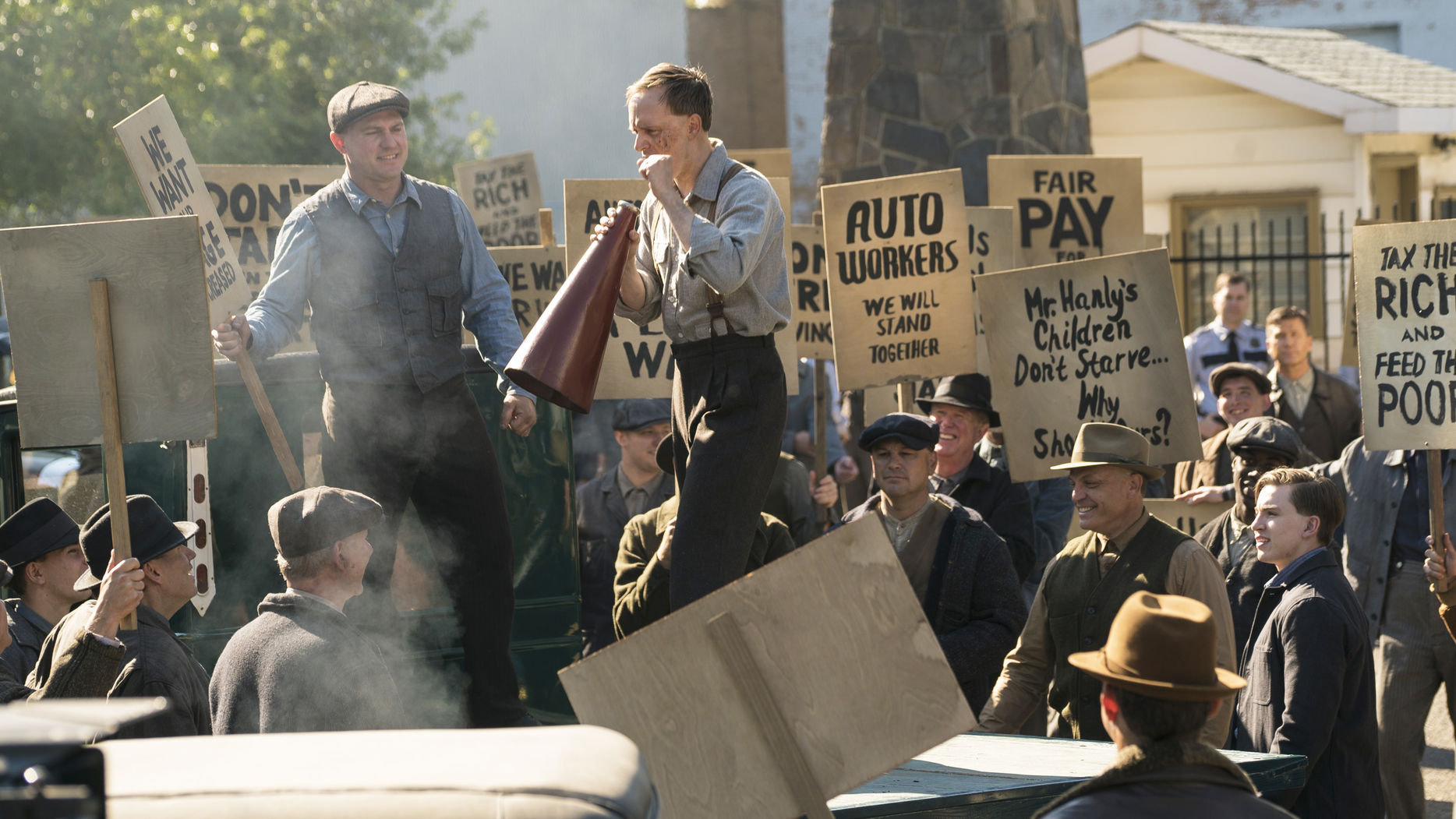
Damnation delves into the rarely frequented labor movement, allowing for parallels to the present and nostalgia for an alternate future where the “fight for the soul of America” was won by farmers, not bankers. Of course, that this seemingly anti-big business series was made by big business signals the confident victory of capitalism. No one is worried about a populist revolt even if, in every scene, Damnation feels like the start of something.
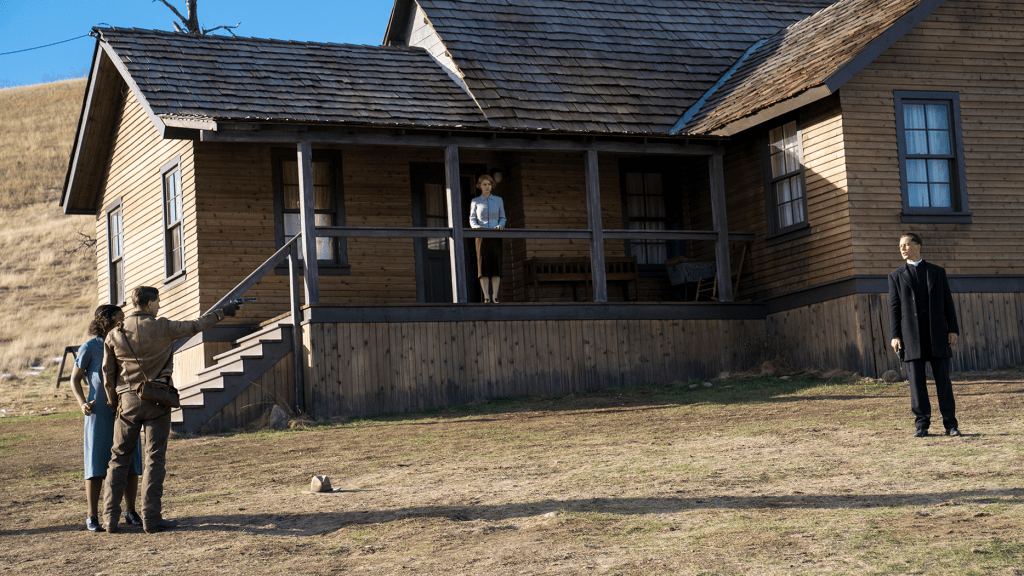
The not-Iowa landscape manages more than alright and the cast elevates a rich plot in which Seth Davenport (Killian Scott) wields both gospel and gun to license his flock to militancy, reminding them that “they didn’t crucify Jesus for being respectable”. His foil, the is-he-evil-is-he-misunderstood Creeley Turner (Logan Marshall-Green) is a strike-breaker with a shared past.
It is a triumph that these two may not be Damnation’s most compelling characters. Contending the title are: Amelia Davenport (Sarah Jones), Lady to Seth’s Macbeth and distributor of pamphlets with titles like A Woman’s Place Is in the Revolution and Jesus Stands Beside You When You Strike; Bessie Louvin (Chasten Harmon), a black sex worker whose literacy earns her Creeley’s pocket and attention; And ruthless Connie Nunn (Melinda Page Hamilton), a strike-breaker on a vengeance train headed for the Davenports.

In the wake of Damnation’s cancellation, I debate whether a greater share of my disappointment (read: devastation) is owed to the show’s demise, the economics of profitable television, or the assumed authority of even unfactual critiques (one reviewer notes erroneously that the threat of job loss to mechanization is “rather futuristic” for the 1930s).
To be certain, I am pro-reviews. I Yelp, recently discovered Goodreads, and look up beers on BeerAdvocate. Reviews are time-saving and do not oblige compliance. Art and entertainment reviews can be less take-it-or-leave-it. Critical reception influences viewership which factors into a series’ continuation. But, if criticism confers the authority to damn worthy works, it is also an avenue of speaking against the mainstream, and in the case of Damnation, the mainstream was mistaken.
 Agatoni